What is Long Covid?

Let’s get some facts straight. This won’t be easy to read, but it’s important.
Sometimes Long Covid is Forever Covid. Unfortunately, some people won’t recover. We need medical intervention, urgently.
The WHO describes Long Covid as the continuation or development of new symptoms three months after an initial SARS-CoV-2 infection, with these symptoms lasting for at least two months with no other explanation. But this definition doesn’t fully convey the scope of the disease: a person’s experience of Long Covid can range from very mild to one of the worst things that can happen to a human. Symptoms and presentation vary among individuals and often fluctuate day to day or even hour to hour.
Research shows that 10–20% of SARS-CoV-2 infections lead to Long Covid. Some of the more common symptoms are chronic pain, brain fog, shortness of breath, chest pain, and chronic intense fatigue, but more than 200 symptoms affecting multiple organ systems have been identified. At least 75 million people worldwide are estimated to have Long Covid, and the number keeps rising.
Most people with Long Covid, regardless of severity, developed it after a mild case of COVID-19; some Long Haulers even had asymptomatic acute infections. Every single time someone is infected with SARS-CoV-2, they risk developing Long Covid.
- Chronic Fatigue
- Fever
- PEM
- Shortness of breath
- Chest Pain
- Headaches
- Dizziness
- Neuropathy
- Myocarditis
- Pericarditis
- Difficulty Concentrating
- Memory Loss
- Confusion/Disorientation
- DP/DR
- Tinnitus
- Visual Snow
- Paresthesia
- Insomnia
- Hypersomnia
- Nausea
- Diarrhea
- Abdominal Pain
- Acid Reflux
- Hypoglycemia
- Heart Palpitations
- High Blood Pressure
- Tachycardia
- Joint Pain
- Muscle Weakness
- Muscle Pain
- Head Pressure
- Eye Pressure
- Ear Pressure
- Rashes
- Hair Loss
- Dry Skin
- Acne
- Loss of taste
- Loss of smell
- Weight changes
- Diabetes Type 1
- Diabetes Type 2
- Allergies
- Autoimmune conditions
- Hormonal Imbalances
- Persistent Sore Throat
- Tooth Decay
- Sinus Congestion
- Persistent Cough
- Orthostatic Intolerance
- Migraines
Anyone is susceptible to Long Covid, and it can present in vastly different ways.
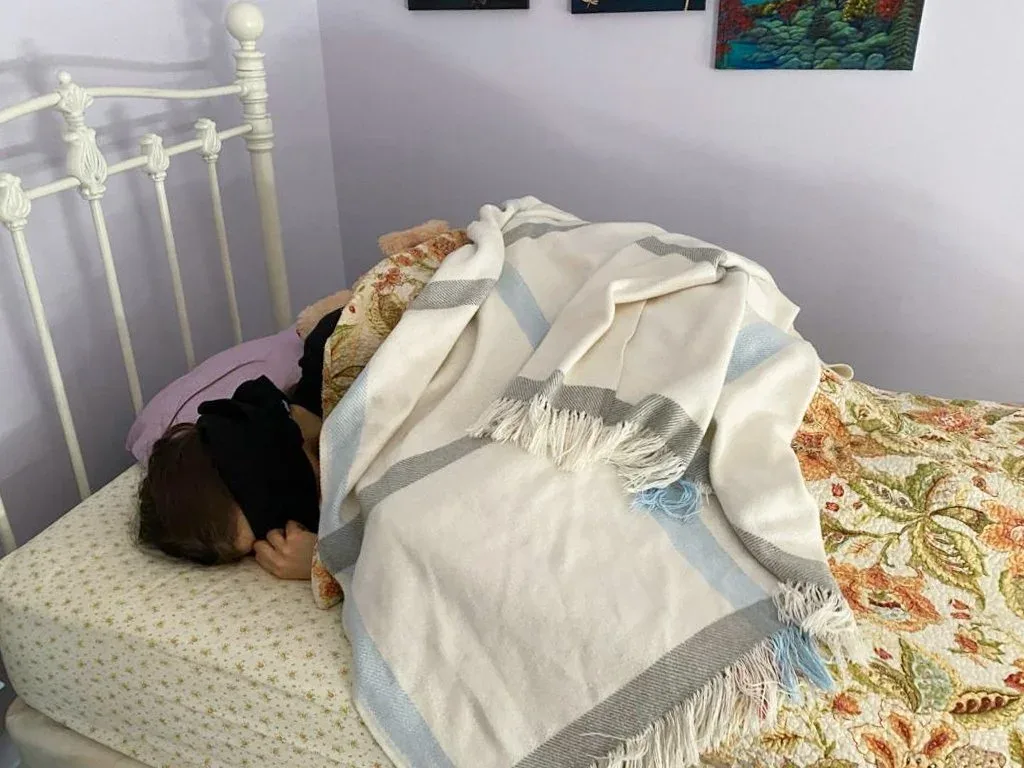
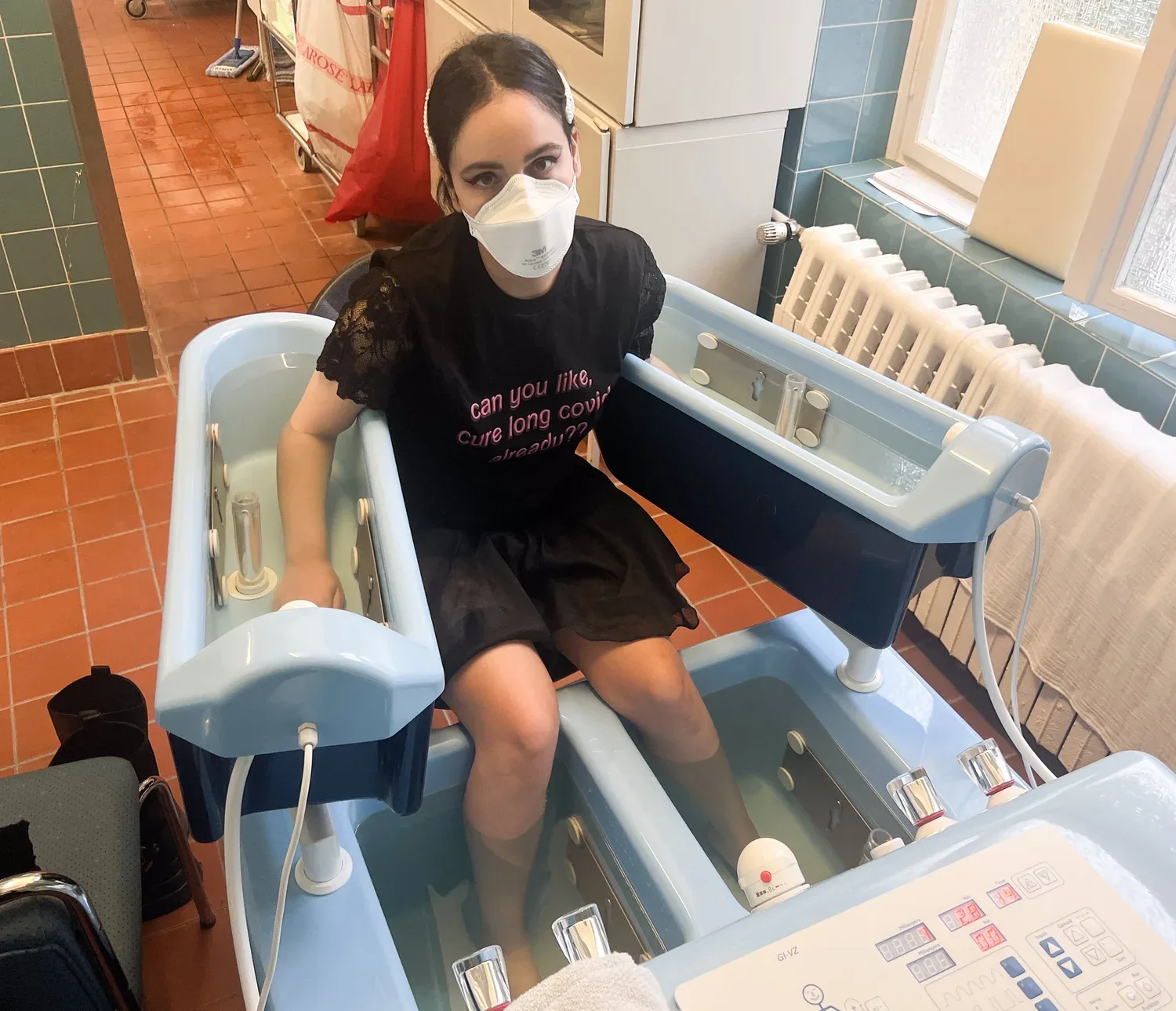
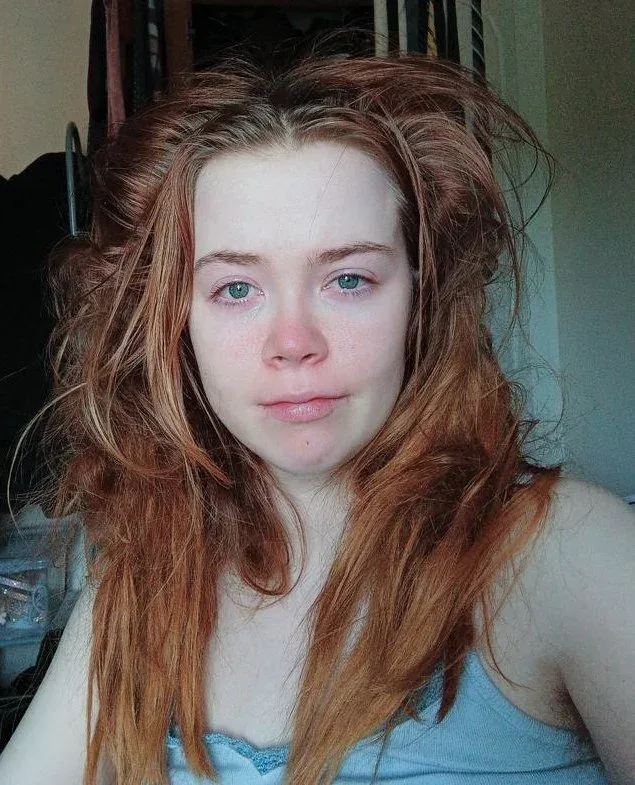
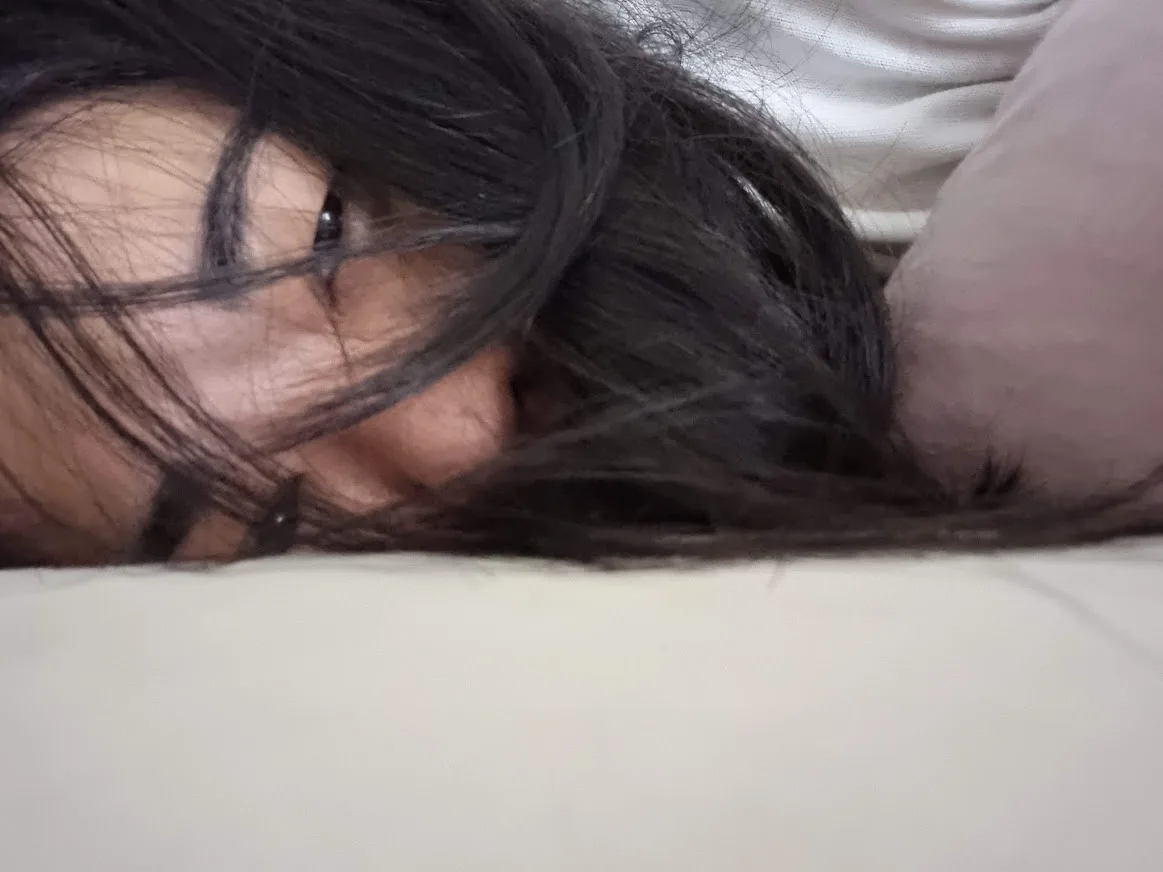
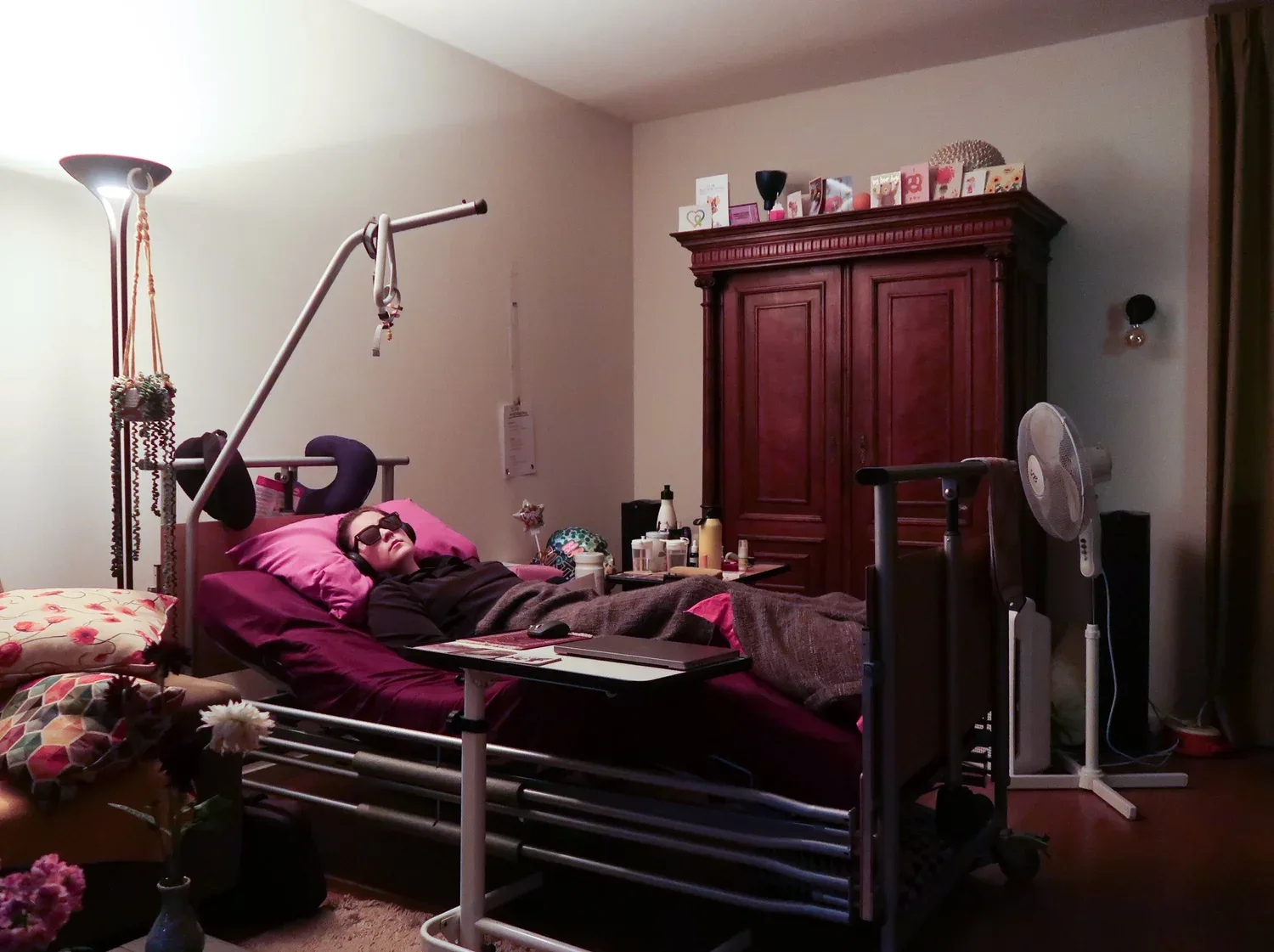
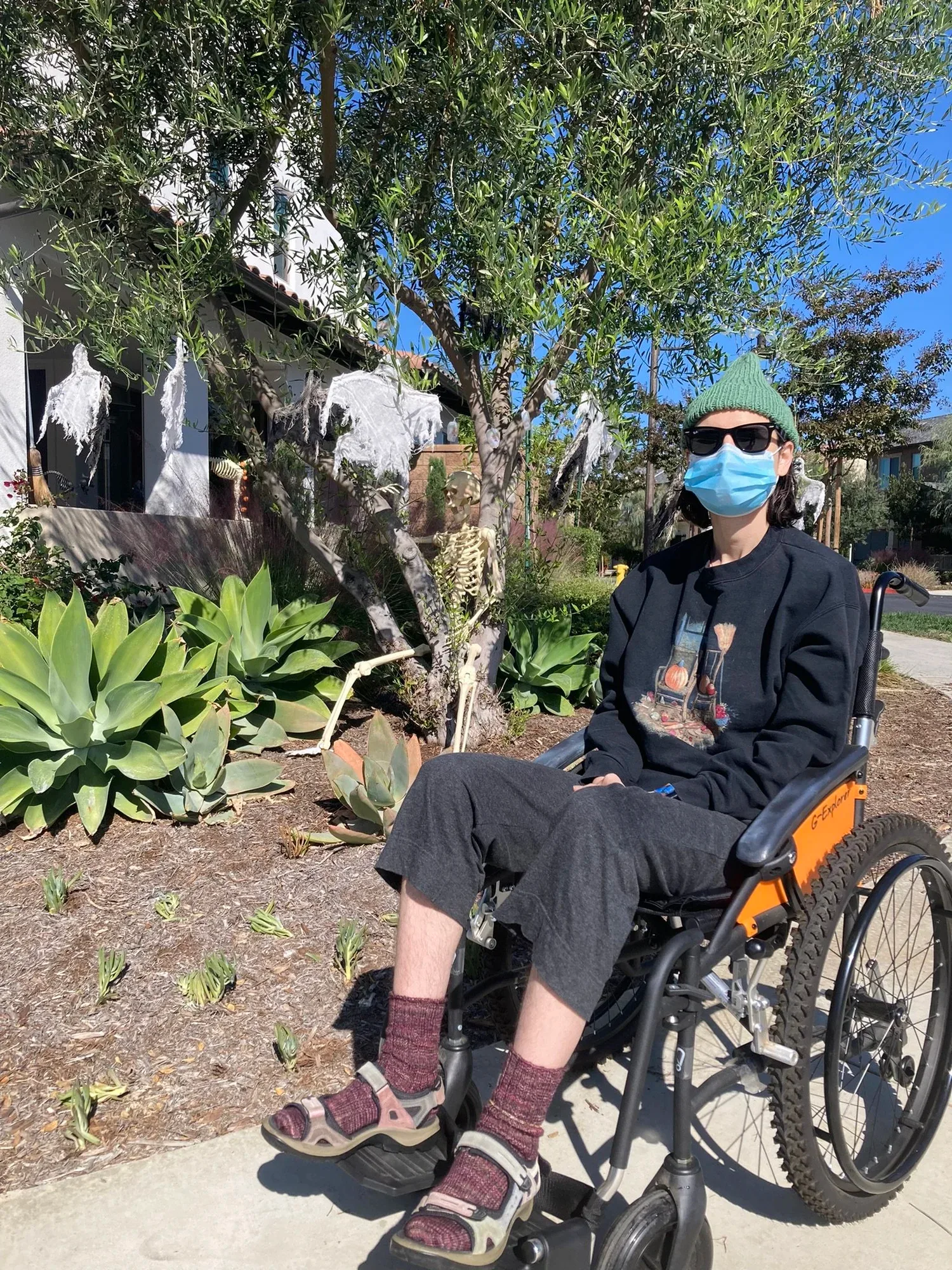
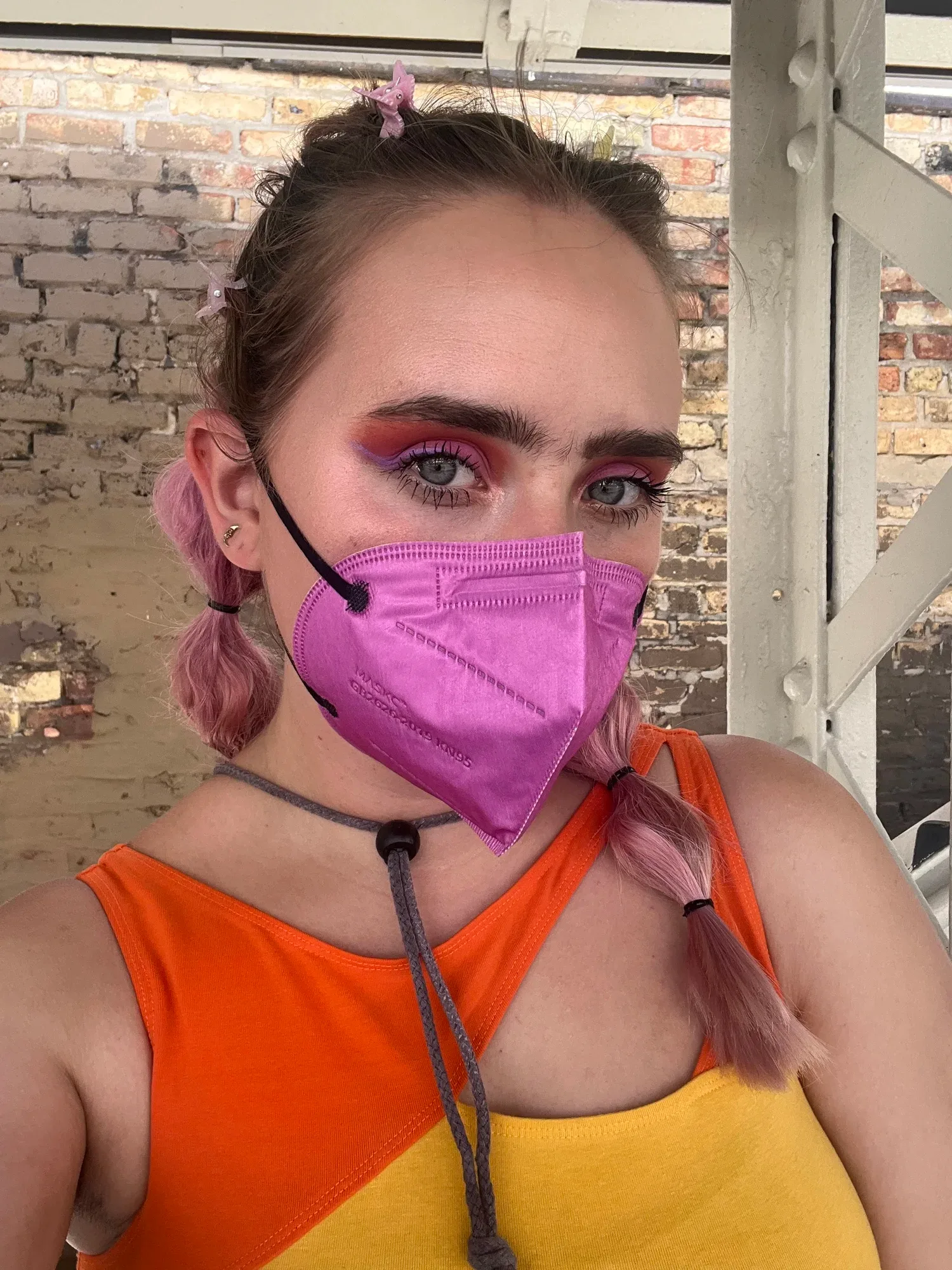
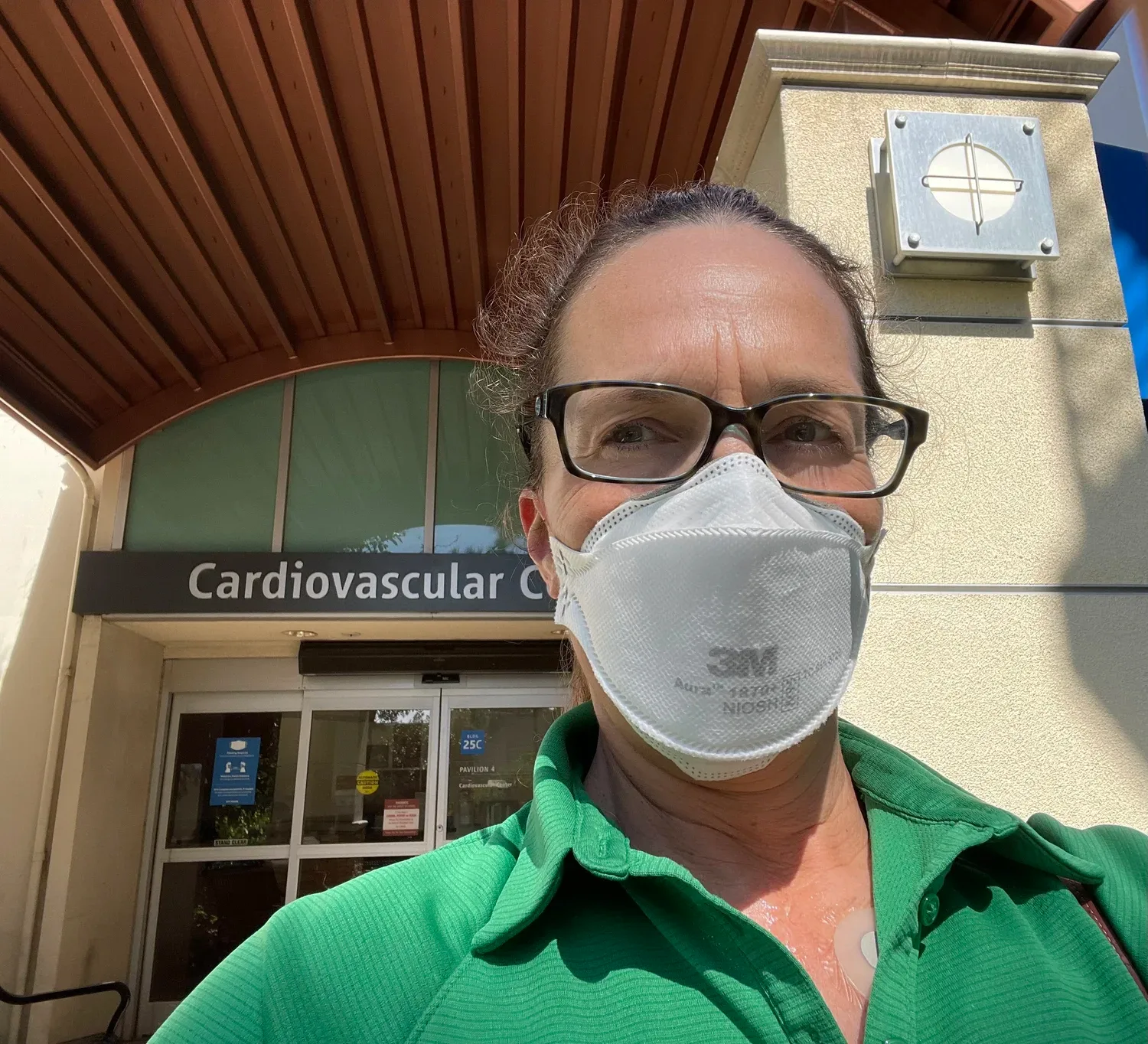
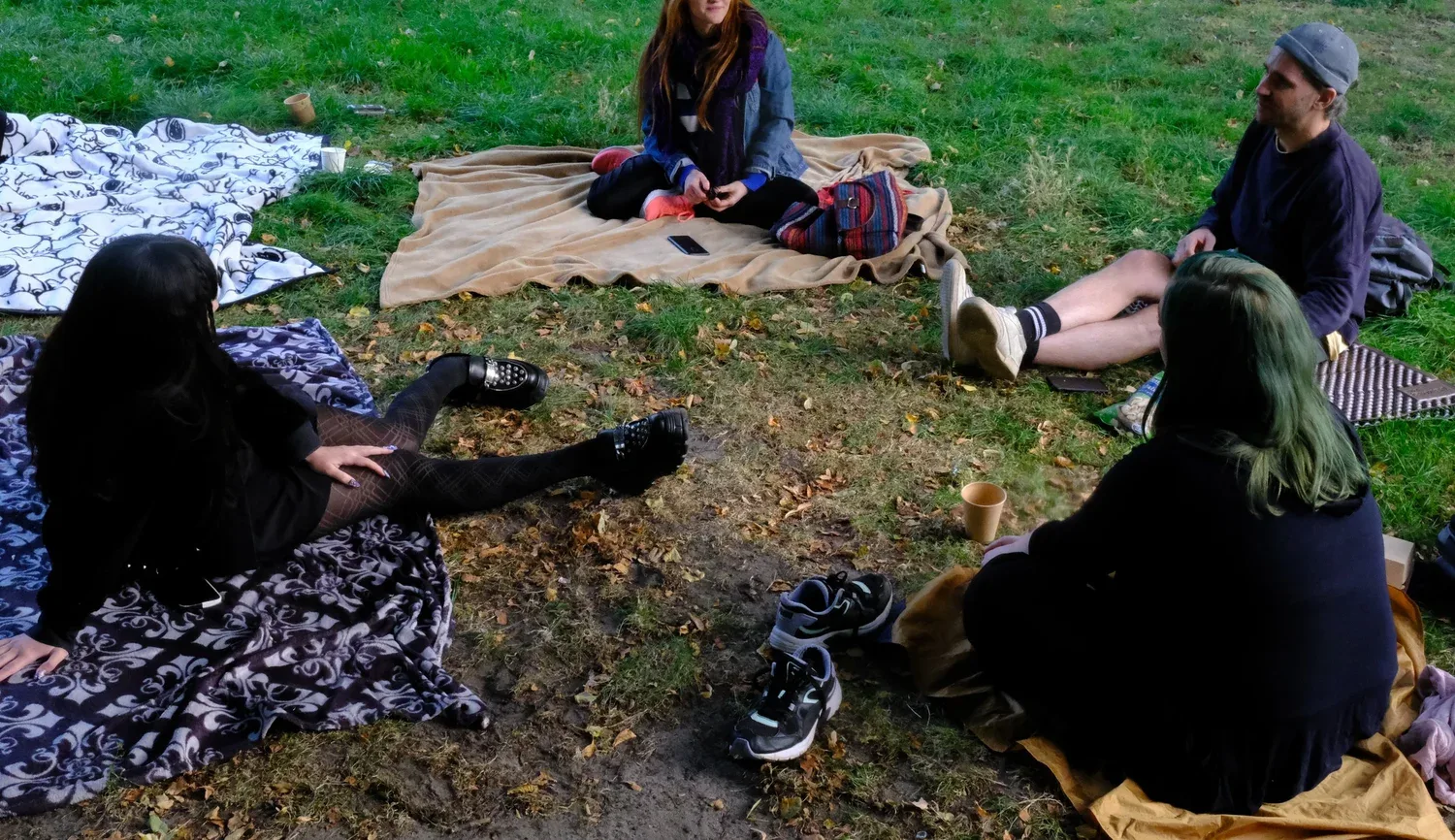
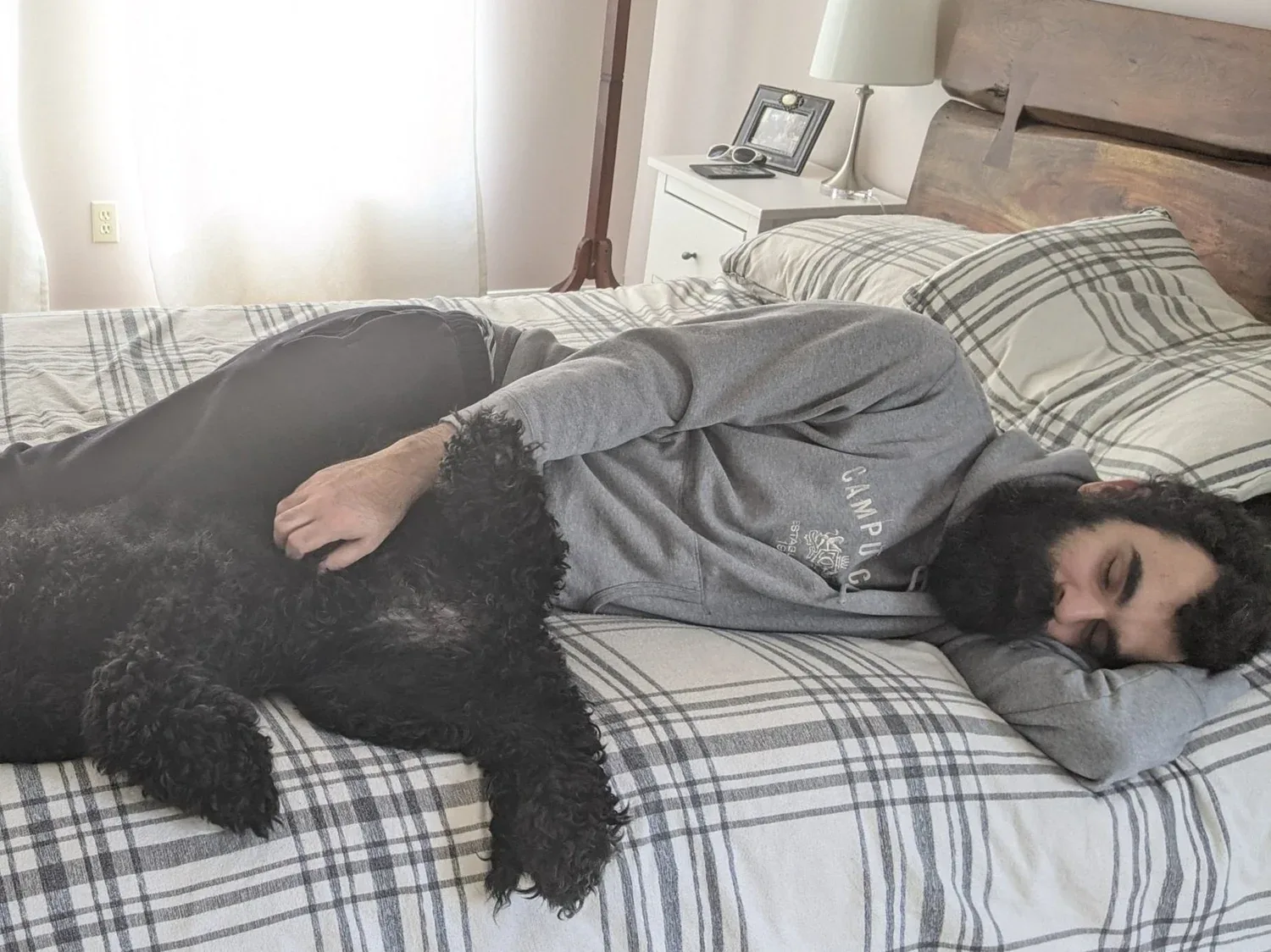
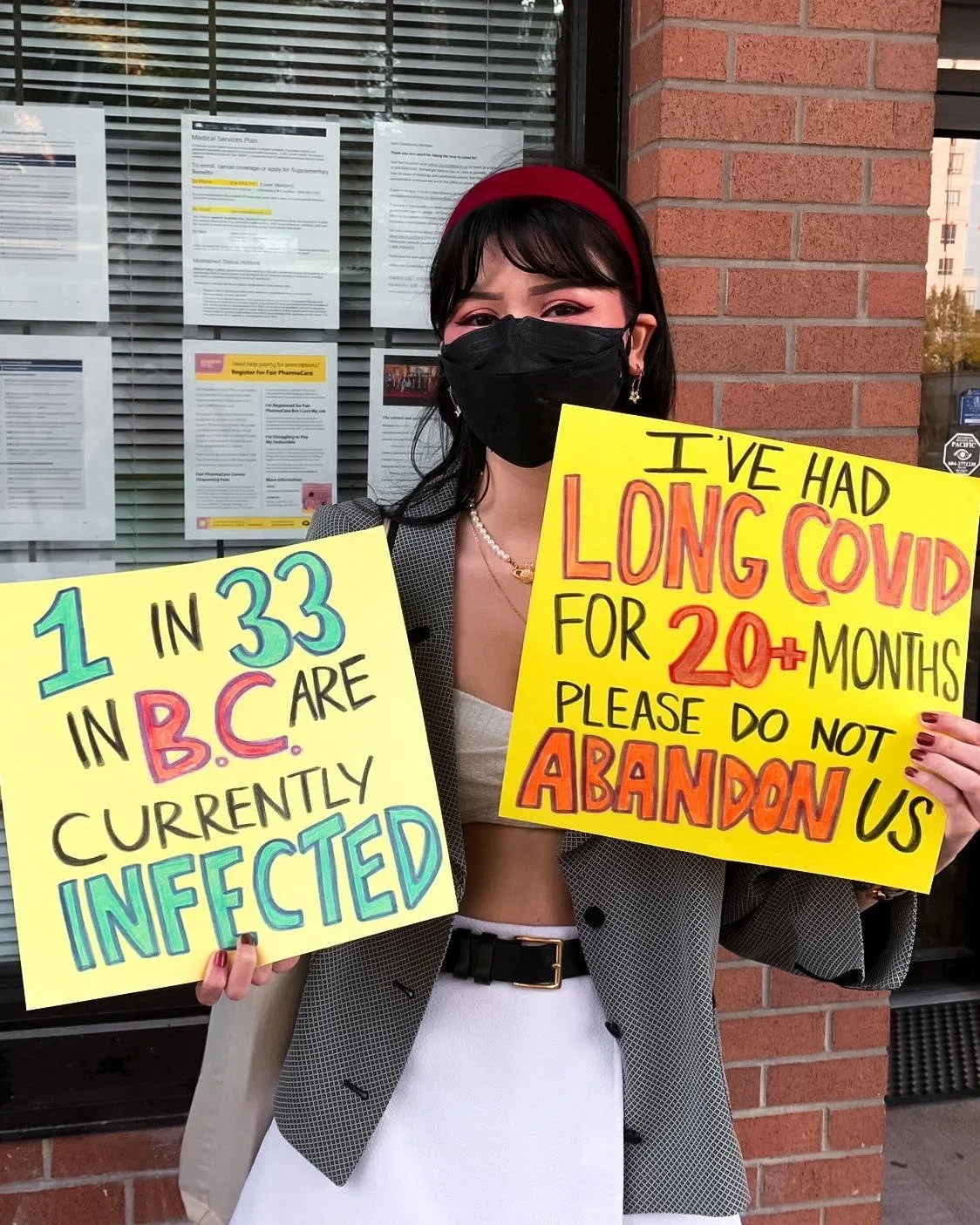
Some of us are completely bedridden, while others get a few hours a week to feel semi-normal.
Some of us are fully housebound, unable to do much other than look after ourselves. Some of us are able to attend appointments and occasionally see friends. Some of us are able to work, but lack the energy to do hobbies or chores or to socialise. Some of us are living almost normally but are silently suffering with chronic symptoms, always with the risk that a reinfection could lead to an irreversible deterioration of our health. Currently, there are no approved treatments for Long Covid.
Like most diseases, Long Covid has a scale of severity.
What causes Long Covid?
The science isn’t conclusive yet. These are some of the proposed theories:
Viral persistence
After a person contracts SARS-CoV-2, hidden persistent virus or its remnants (“viral reservoirs”) cause chronic inflammation, tissue damage, and ongoing symptoms.
Autoimmunity
Infection with SARS-CoV-2 spurs T- and B-cells to produce new autoantibodies, or immune proteins that mistakenly target a person’s own tissues. The initial autoimmune trigger often occurs in the body perpetually, making it difficult to locate and shut down.
Latent viral reactivations
Latent (dormant) viruses, particularly herpesviruses, are reactivated following infection with SARS-CoV-2, causing a variety of symptoms.
Tissue damage & chronic inflammation
Infection with SARS-CoV-2 is known to cause microscopic tissue damage in hard-to-reach areas, such as the brain, lungs, and endothelium (tissue that lines the blood vessels). These changes can lead to persistent inflammation in one or more tissues, which can then trigger damage in other tissues.
We need help
Sources
- Yale
- Charité
- WHO
- NHS
- Nature
- The Lancet
- AMA
- UCL
- European Commission
- Open Medicine Foundation
- Yale, 75 million people
Thank you to everyone for allowing us to share their images.